Not impressed? Get a refund. You have 100 days to break our hearts.
Key Characteristics & Uses
Physical Description: The plant typically grows 2 to 4 meters tall. Its leaves are narrow, lanceolate, and silver-grey on the top. The bright, sour orange berries grow in tight clusters along the woody stems.
Extreme Hardiness: It thrives in poor soils, tolerates high salinity, and survives temperatures ranging from -40°C to +40°C. The plant is also highly effective at preventing soil erosion.
Nutritional Powerhouse: Often called a "natural multivitamin," the berries contain exceptionally high levels of Vitamin C (up to 12 times more than an orange), as well as Vitamins A, E, K,
Health & Skincare: Sea buckthorn oil, extracted from the seeds and pulp, is widely used in cosmetics to hydrate the skin, reduce inflammation, and aid in wound healing.
Culinary Applications: The berries have a highly acidic, citrusy flavor (resembling a cross between a lemon and passion fruit). They are processed into jams, juices, and sauces.
Summary
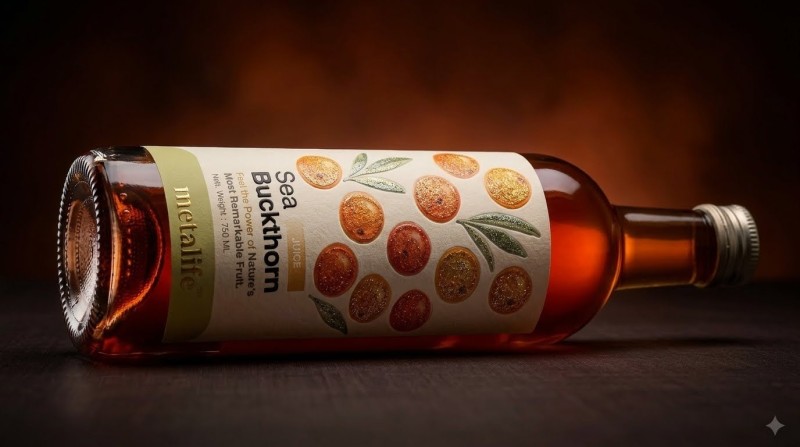
Sea buckthorn (Hippophae rhamnoides) is a hardy, deciduous shrub native to cold-temperate regions of Eurasia. Recognized for its dense, thorny branches and silvery-green leaves, it produces vibrant, tart orange berries packed with a rich profile of vitamins, antioxidants, and essential fatty acids


 Key Characteristics & Uses